
Controversial Myanmar Elections Amid Civil War
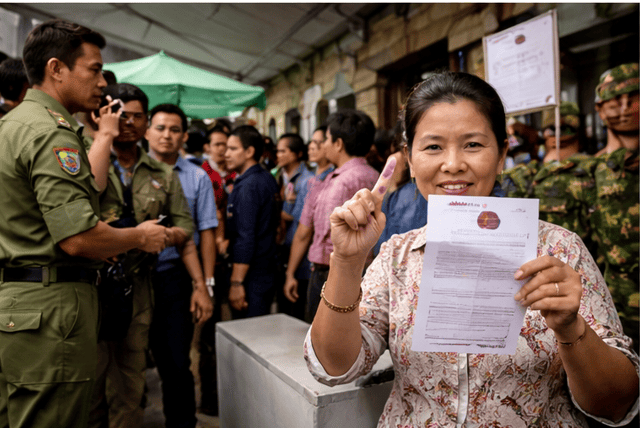
Polling has concluded in the first phase of Myanmar’s three-stage general election, nearly five years after the military seized power in a coup in 2021. Large parts of the country, especially regions under control of ethnic armed groups or amid active conflict, have been excluded from voting. The Union Solidarity and Development Party (USDP), aligned with the military, is expected to dominate the ballot, while major opposition parties, including Aung San Suu Kyi’s historic National League for Democracy, remain banned or sidelined.
International organisations and rights groups have condemned the process as conducted under “violence and repression,” pointing to voter intimidation, limited political choice, and the absence of genuine competition. The junta frames the election as a step towards restoring democracy, but critics argue it may instead entrench military authority and weaken prospects for peace in a country already fractured by civil war.
The remaining phases of voting are scheduled for January 2026, with final results anticipated by February. With more than 3.6 million people displaced by conflict, international scrutiny is likely to intensify and diplomatic responses will vary, with some neighbouring states sending observers despite global criticism.
Observers warn that if the election fails to reflect inclusive political representation or address ongoing humanitarian crises, it could deepen divisions and fuel further instability. The wider geopolitical dimensions, including Myanmar’s relations with China and other regional powers, might also influence how the post-election period unfolds.