
NASA Discovers Unexpected Features on Mars’s Largest Volcano
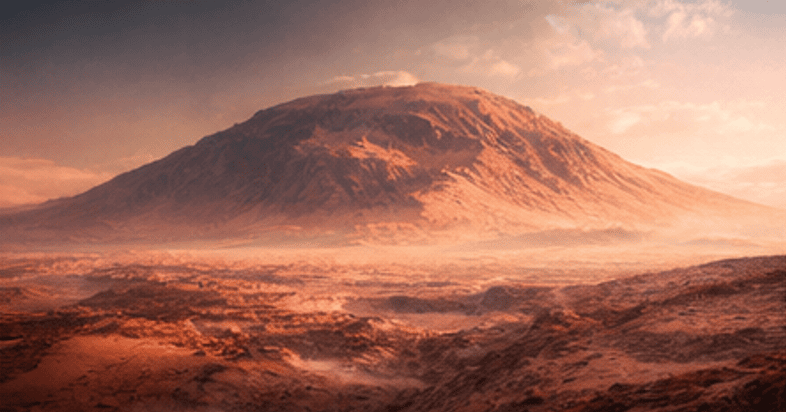
(Disclaimer: AI-generated visuals created to represent real news events in a symbolic and editorial context.)
NASA’s continued exploration of Mars has revealed surprising new details about Olympus Mons, the tallest volcano in the solar system. Though long known as a gargantuan shield volcano formed by repeated lava flows in a static crust, recent data suggest the volcano’s summit and flanks contain complex geological features that challenge previous assumptions about Martian volcanic processes.
Unlike Earth, where shifting tectonic plates cause volcanic hotspots to migrate, Mars’s stagnant crust allowed volcanic activity to concentrate in one location for millions of years, building Olympus Mons into an enormous, gently sloping giant. But the latest observations indicate more diversity in the lava flows and rock formations than expected, hinting at geologic dynamics Mars may still retain—or once possessed more recently than thought.
These findings have sparked renewed curiosity about whether Mars could have been geologically active more recently in its history, including possibilities of subsurface movement or pockets of heat that persisted longer than models predicted. Scientists continue to debate how such features formed without the plate tectonics Earth relies upon to explain similar complexity.
Understanding Olympus Mons’s formation isn’t just academic; it feeds directly into bigger questions about the Red Planet’s evolution, its volcanic past, and even where future missions might explore for evidence of past habitability or resources for human explorers.